.png)

Stories , Interviews
From Corporate Success to Entrepreneurial Impact: Neeru Sood on building with purpose
Discover the choices, challenges and strategies that helped Neeru turn corporate expertise into a trusted business, and the lessons women entrepreneurs can take from her journey.

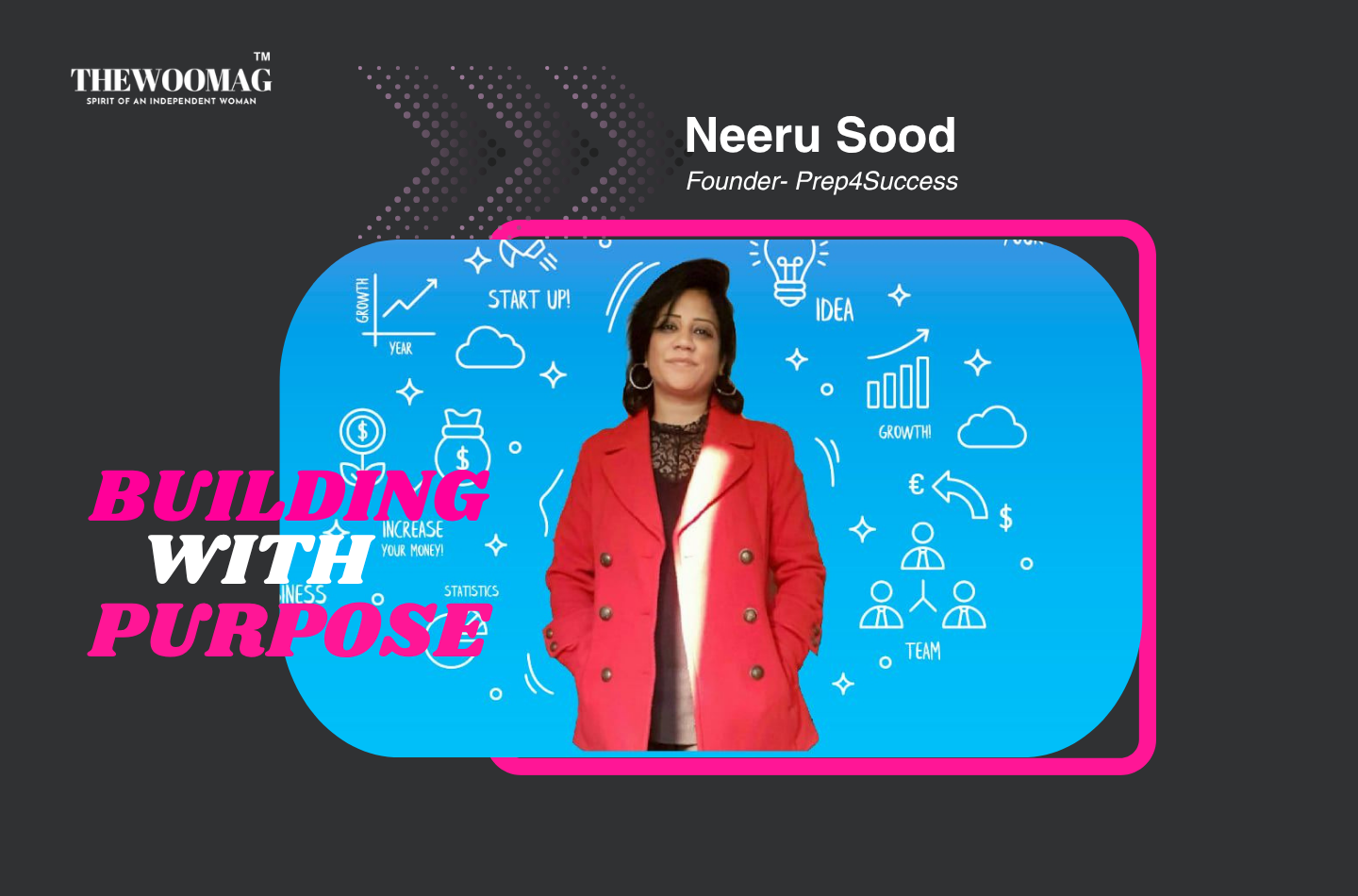
What does it really take to build a business from the ground up? Is it capital, a large team, a powerful network or simply the courage to begin? For Neeru Sood, the answer seems to lie elsewhere: recognising a gap, building expertise around it, staying willing to learn, and consistently creating value.
Neeru started with limited projects and a home-office setup, and her business gradually evolved into Prep4Success, a trusted digital consulting and marketing brand with a 15-member team of specialised experts. Along the way, Neeru navigated the challenges of scaling, managing a virtual team, upgrading her digital and managerial skills, building client credibility and creating sustainable professional relationships.
At THEWOOMAG, our objective is to help our readers learn from the journey of other women leaders and entrepreneurs and apply it to their own professional success. Neeru’s journey is particularly relevant for women who often believe they need to have the perfect plan, substantial resources, or a ready-made team before taking the entrepreneurial leap.
In this TWM conversation, we explore not just what Neeru Sood built, but how she built it: the decisions she made, the challenges she faced, the people who supported her, the thinking that shaped Prep4Success, and the lessons she has gathered along the way. Neeru's story offers a different perspective.
Start with what you know. Identify what needs to be solved. Build credibility through your work. Keep learning. And let growth happen one deliberate step at a time.
So, let’s dive in.
TWM: Neeru, before we talk about entrepreneurship, take us back to where your journey began. What was your professional foundation?
Neeru Sood: My professional journey began with a B'Pharma from DIPSAR, followed by an MBA from LBSIM, Delhi University. I then spent nine years in the corporate world, specialising in brand management for pharmaceutical and healthcare organisations. Those years gave me a strong understanding of brands, businesses and the importance of strategic thinking.
My formal entry into entrepreneurship came in 2010. At that point, I identified a gap in the way small and medium enterprises and emerging start-ups were being supported. I felt there was a need for strategic and credible digital solutions that understood the different stages of a business's lifecycle.
TWM: What gap did you see in the market?
Neeru Sood: I observed that many agencies were delivering exactly what clients asked for, but often without questioning the larger business requirement behind that request.
For me, the real question was: What does the client actually need to grow? What is the underlying business challenge? How can strategy, brand building, and digital marketing work together to create a meaningful outcome?
That observation shaped my approach. I wanted to become a solution provider and a growth enabler rather than simply an agency executing tasks.
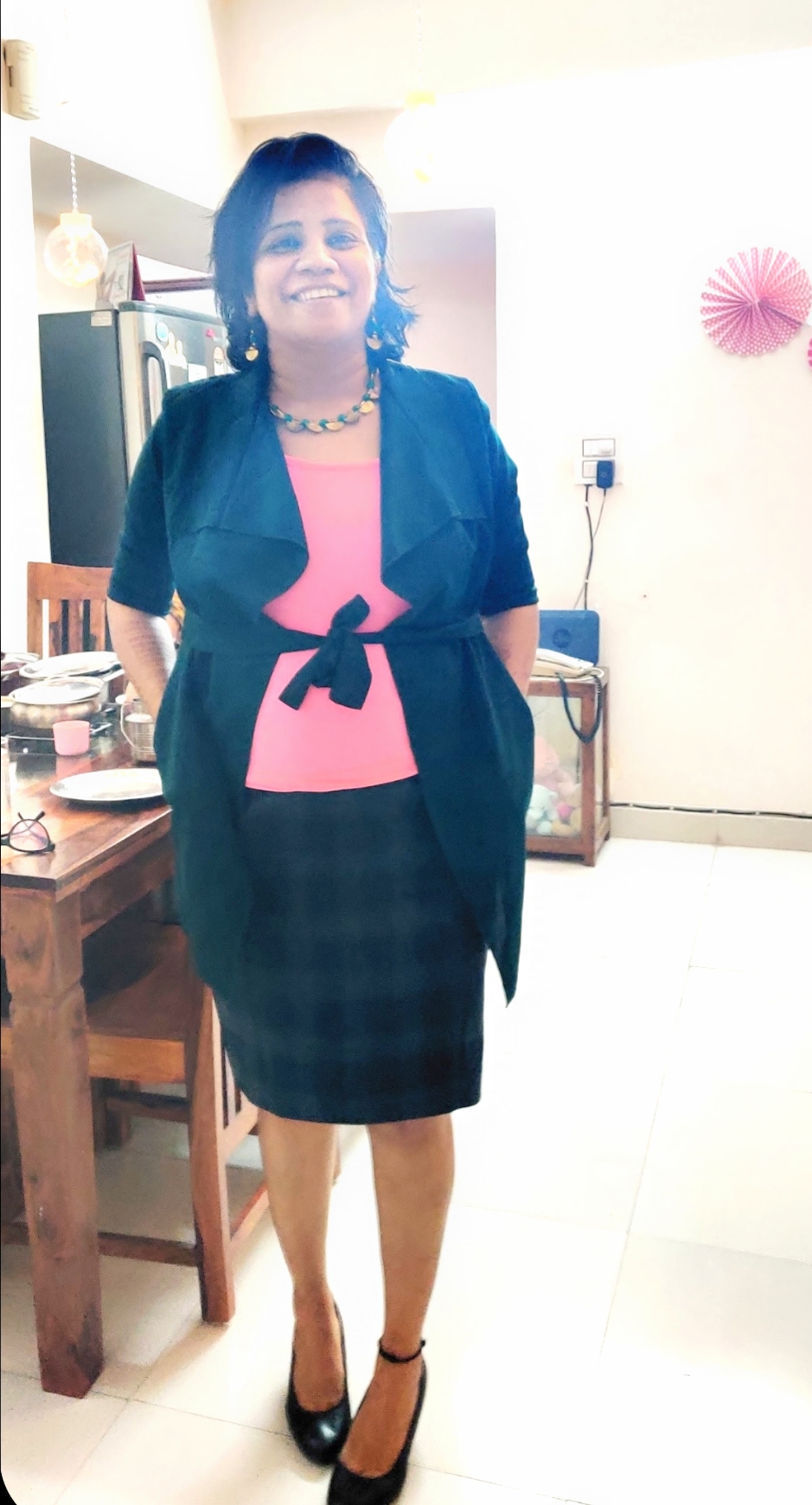
TWM: Was entrepreneurship a carefully planned career move for you? Did the shift make you uncomfortable, if at all?
Neeru Sood: When I moved from the corporate world, where I had the security of a regular salary every month, to building something of my own, I was far less certain than I may have appeared from the outside.
I had responsibilities at the home front, and there was also a deeper question I had to confront: What exactly are my capabilities outside the structure and security of a corporate career?
I had experience, knowledge, and confidence in my professional role, but entrepreneurship required me to believe in those capabilities without the reassurance of a designation, an organisation, or a monthly salary. I was trying to prove to the world that leaving the corporate world was not a wrong decision, while quietly proving it to myself.
I was trying to prove to the world that leaving the corporate world was not a wrong decision, while quietly proving it to myself.
There were emotional insecurities that I was dealing with privately. Yet, at the same time, I felt I had to demonstrate to the world, and perhaps to myself, that leaving the corporate world had not been a wrong decision.
So, it evolved through experience and observation. I had the advantage of my corporate background, but entrepreneurship required me to learn many things all over again. I had to move from working independently to building a team, understand technology integration, develop my digital and managerial skills, and, importantly, learn to track financial growth very carefully.
It was a journey of continuous learning.
That period taught me one of the most important lessons of my journey: confidence often comes after you take the leap, not before it. You discover your capabilities by using them, testing them, and continually pushing yourself beyond what feels comfortable.
Confidence often comes after you take the leap, not before it.
TWM: How did you transition from being a solo professional to building a business?
Neeru Sood: That was one of the most important transitions in my journey. Initially, I worked alone and took on limited projects. Gradually, I expanded the team to three people, then eight, 12, and eventually 15 specialised experts, including competitive intelligence experts, strategic intelligence experts, editors, writers & subject matter experts, analysts, creative designers, conceptualizers, website UI/UX designers, and SEO/AEO professionals.
The challenge was not simply finding people. It was learning how to lead them and create a system where everyone could contribute meaningfully.
TWM: In your experience, how is managing a virtual team more difficult than an in-office team, and what are the advantages of working virtually?
Neeru Sood: The biggest challenge in managing a virtual team is that communication, visibility and connection do not happen naturally. In an office, a lot of information is exchanged informally—through quick conversations, body language and spontaneous problem-solving. Virtually, these have to be created intentionally. Miscommunication, delays in decision-making, lack of team bonding and difficulty in maintaining accountability can therefore become bigger challenges.
However, the advantages of virtual working are significant. It gives businesses access to a much wider talent pool, reduces geographical constraints and can improve flexibility, employee satisfaction and cost efficiency. It also encourages organisations to become more process-driven and outcome-oriented.
In my experience, the key is not choosing between virtual and office-based working, but designing the right way of working. With clear expectations, strong communication rhythms, well-defined KPIs, the right technology and deliberate efforts to build trust and team culture, virtual teams can be highly productive—and in many cases, more agile than traditional teams.
The real shift is from managing presence to managing performance.
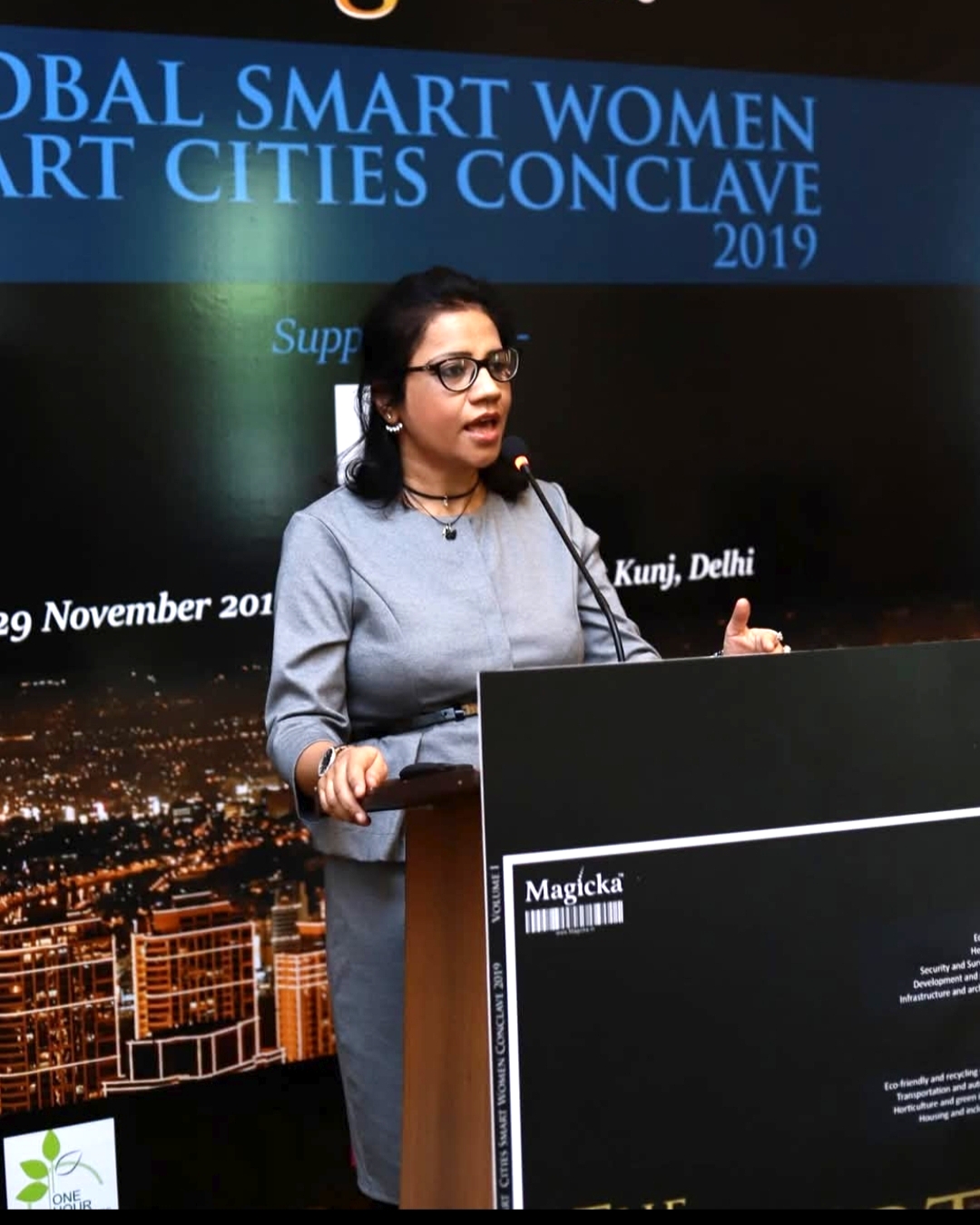
TWM: What did building a virtual team teach you about leadership? Is it different and more difficult than having an in-office team? How do you manage and ensure productivity?
Neeru Sood: Managing a virtual team was certainly one of the most crucial challenges of my entrepreneurial journey. I managed a team that I rarely met in person, so keeping people motivated and aligned required a different approach.
I learned that leadership is not simply about physical proximity. It is about creating ownership and connecting people to a common purpose. When people understand why their work matters and what outcome they are working towards, they are more likely to stay engaged and accountable. Additionally, it is also about mutual trust and mutual respect that drive the entire connection. And the spirit of working together.
I focused on shared purpose and measurable outcomes. Managing a virtual team also pushed me to continuously improve my own managerial and digital skills. I had to evolve along with the business.
TWM: How do you specifically manage productivity in a virtual team? What systems, tools, reporting mechanisms, meetings, KPIs or review processes do you use?
Neeru Sood: I manage productivity in a virtual team through a simple framework of clarity, accountability, visibility, and review. The objective is not to monitor whether people are online, but whether the right outcomes are being delivered.
I start by defining clear KRAs, KPIs, priorities, and ownership for every team member. We then use a central project-management and communication system to track tasks, deadlines, progress and responsibilities, creating a single source of truth.
For reporting, I prefer a weekly dashboard covering commitments versus achievements, key KPIs, pending priorities, bottlenecks, and support required. Meetings are kept purposeful—a weekly team review for alignment and accountability, with focused one-on-ones when needed. Routine updates that can be handled asynchronously are not turned into meetings.
Performance is reviewed through both leading and lagging indicators, such as sales pipeline, conversions, revenue, project completion, customer satisfaction, response times, or role-specific productivity metrics. Monthly or quarterly reviews then help us identify trends, address gaps, and reset priorities.
Ultimately, my approach is to build an accountability system, not a surveillance system. When people have clarity on what they own, visibility of progress, measurable outcomes, and a consistent review rhythm, virtual teams can operate with much greater autonomy and productivity.
TWM: Today, Prep4Success is being acknowledged and trusted as a brand. What made that possible?
Neeru Sood: Credibility was central to that journey. I focused on delivering holistic strategic guidance rather than isolated services. I wanted clients to see us as people who understood their business and could help them navigate important stages of growth.
Over time, this approach helped build strong client relationships, return business, and recognition for credibility and strategic guidance. The business expanded across pharmaceuticals, healthcare, wellness, lifestyle, and international consulting.
TWM: What were some of the biggest challenges you had to overcome while scaling?
Neeru Sood: Scaling the business was a major challenge. I had to transition from being a solo professional to managing a team and a growing portfolio of projects.
There was also the constant need to upgrade my knowledge, particularly in digital technology and management.
But perhaps the most crucial challenge was team motivation. Managing a virtual team requires a different approach because you cannot depend on everyday physical interaction. I had to create a culture based on shared purpose, accountability and measurable outcomes.
TWM: Your business has worked across several sectors. How did you expand beyond your original domain?
Neeru Sood: We started with limited projects and gradually expanded our capabilities and client base.
Our work grew from pharmaceuticals and healthcare into wellness, lifestyle and international consulting. We have built trusted partnerships with organisations including Gaudium IVF, Ozone Pharma, BioBloom, Grecor, IIME Jaipur, Vikas Publications, NonNewz, SuperBrands and HISP.
The expansion came through the ability to understand different businesses and provide customised solutions rather than applying a one-size-fits-all approach.
TWM: What are you most proud of when you look back at what you have built?
Neeru Sood: I am particularly proud of building something from the ground up with a clear vision, minimal financial risk and maximum integrity.
Moving from a home office to building a trusted online brand has been a significant milestone. But beyond the business itself, I am proud of the transformation we have been able to create for clients. Seeing a company or an individual move forward because of something we have contributed is extremely satisfying.
TWM: Has your definition of success changed since you started?
Neeru Sood: Yes. Today, success for me is not simply about business growth or revenue.
It is about creating tangible transformation and knowing that I have contributed to the growth of both organisations and the people behind them. That is why learning, teamwork and community empowerment have become such important parts of my purpose.
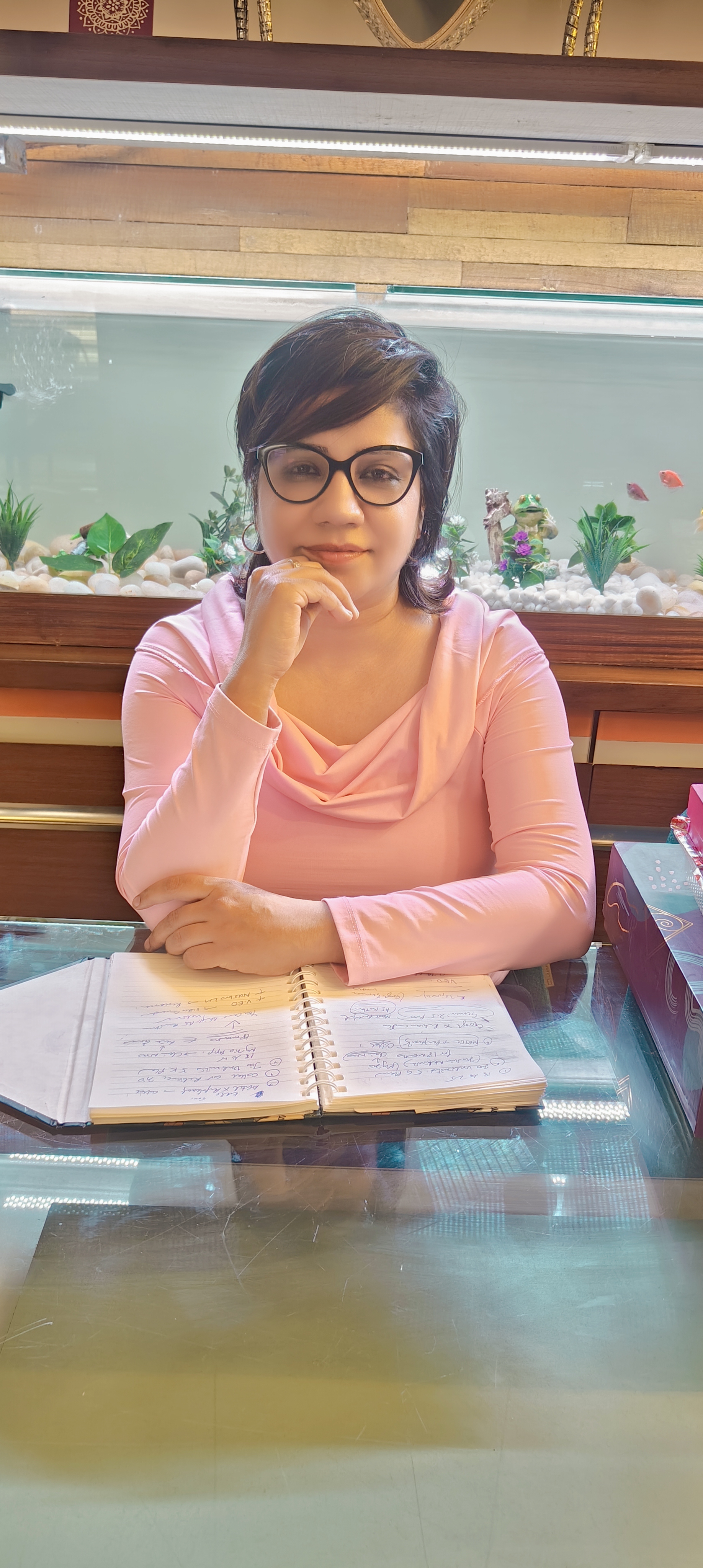
TWM: You describe Prep4SuccessbyNeeru as a digital venture. What was the thinking behind its creation, and why did you launch it?
Neeru Sood: I am building a digital knowledge platform on Instagram by the name of Prep4SuccessbyNeeru. It is being developed as an online platform where I share knowledge in the field of Strategic Branding & Marketing, Online Reputation Management, and Digital Marketing. I am sharing practical insights in the niche with entrepreneurs, aspiring marketers, aspiring entrepreneurs, business owners, and other professionals who can benefit from it. The content focuses on branding and marketing real-life case studies, unique marketing solutions, brand breakdowns, marketing challenges, and solutions. In addition, I use this knowledge platform to disseminate updates and developments related to digital marketing and AI in marketing with the prime objective of making relevant industry knowledge accessible, practical, and actionable.
TWM: How long did it take before you began seeing meaningful results? Please share what you consider “results”, such as followers, engagement, enquiries, collaborations, brand visibility, leads or business opportunities.
Neeru Sood: I would define meaningful results for Prep4SuccessbyNeeru less by follower count and more by the quality of engagement and the opportunities the platform creates. As a knowledge platform, my objective is to build credibility and reach the right audience rather than simply accumulate numbers.
Within the initial phase of building the platform, I began seeing encouraging indicators through increased engagement, meaningful conversations, enquiries, content sharing, and connections with entrepreneurs and professionals. Over time, these have translated into greater brand visibility and opportunities for collaborations, consulting conversations, and business relationships.
For me, the most meaningful result is when someone says that a particular insight, case study, or marketing solution helped them look at their business differently or take a specific action. That demonstrates that the content is creating impact—not just impressions.
I therefore look at results across three levels: reach and engagement, credibility and relationships, and ultimately enquiries and business opportunities. The follower count is one metric, but it is certainly not the only—or the most important—measure of success.
TWM: What is your best-performing content or post on Instagram so far, and why do you think it worked?
Neeru Sood: Some of my best-performing content has been around real-world brand case studies, marketing insights, brand breakdowns, and practical solutions to common business challenges. The top one on the Azorte store has gotten us 6.4 M views.
What I have observed is that content performs particularly well when it connects a familiar brand or real-life business situation with a practical marketing lesson. Audiences respond more strongly when they can immediately relate the insight to their own business or professional context.
Content that combines storytelling, analysis, and actionable takeaways tends to generate not just views, but also saves, shares, comments, and meaningful conversations. I believe that is because people are increasingly looking for content that goes beyond information and helps them understand “What does this mean for me, and how can I apply it?”
That has also shaped my content strategy for Prep4SuccessbyNeeru—to focus on practical, relevant, and actionable knowledge rather than content created purely for reach or vanity metrics.
TWM: What would you suggest to our women readers who want to build their personal brands on Instagram?
Neeru Sood: My advice to women building a personal brand on Instagram is to think beyond followers and focus on building authority, trust, and opportunities. I would recommend five things:
- Own a clear niche. Be known for something specific. Your expertise, experience, and perspective should answer the question: “What do I want people to come to me for?” Focused positioning is far more powerful than trying to appeal to everyone.
- Be consistent, but don't become predictable. Consistency builds familiarity and credibility, but it does not mean posting for the sake of posting. Create content around a few strong pillars and maintain a sustainable rhythm. Quality and relevance should always take precedence over volume.
- Build your personal brand around authenticity and expertise. Women often underestimate the value of their own experience. Share your knowledge, perspectives, successes, lessons, and even challenges. Authenticity creates connection, while demonstrated expertise creates credibility. Your personal experiences can become some of your most powerful content.
- Understand your audience and use content formats strategically. Know what your audience needs, what problems they are trying to solve, and what questions they are asking. Reels and video can significantly improve discoverability and help people connect with the person behind the brand, while carousels, posts, and stories can be used to educate, engage, and build deeper relationships. The format should serve the message—not the other way around.
- Convert visibility into relationships and opportunities. Instagram should not end with likes and followers. Respond to comments, start conversations, build your network, collaborate, and create clear pathways for people to work with you. Whether the objective is consulting, entrepreneurship, speaking, employment or collaboration, your profile and content should make it clear what you stand for, what you offer, and how people can engage with you.
Most importantly, I would tell women not to wait until they feel completely “ready” or perfectly positioned. Your personal brand is built by consistently demonstrating your value in public. Start with what you know, keep learning, stay authentic and let your credibility grow with your body of work.
TWM: Your work also involves mentoring women. Why is that important to you?
Neeru Sood: I believe women professionals and entrepreneurs need opportunities to learn, build confidence, and create their own paths. I mentor women professionals in digital entrepreneurship and actively collaborate with women empowerment organisations and entrepreneurship groups. I also believe in giving visibility to the stories of other women and founders through my network and public engagements. If our own journey can help another woman see a possibility for herself, that becomes part of our impact.
TWM: Looking at your journey, what do you think were the key factors that helped you build sustainably?
Neeru Sood: I would say perseverance, continuous learning, strategic thinking, teamwork and integrity.
I started with the expertise I had developed in the corporate world, but I did not stop there. I continuously upgraded my skills and adapted to the changing digital environment. I also focused on relationships and credibility. Long-term client relationships cannot be built only through selling services. They are built by understanding problems, delivering on commitments and creating measurable value.
TWM: What would you say to a woman who wants to start her own venture but feels she does not have enough resources or does not know where to begin?
Neeru Sood: I want women to stop asking whether they are ready and start asking what they are capable of building. You do not necessarily need to have everything in place before you begin. Start with what you know. Identify a genuine problem you can solve. Learn continuously, take calculated risks, and build credibility through your work. Challenges are inevitable, but they can also become opportunities to learn and evolve.
“I want women to stop asking whether they are ready and start asking what they are capable of building.”
TWM: Finally, if you had to distil your entrepreneurial journey into one lesson, what would it be?
Neeru Sood: Build with purpose.
Know what you want to solve, keep learning, surround yourself with the right people, and remain accountable for the outcomes you create. Growth does not always happen through one dramatic breakthrough. Sometimes it happens gradually, through consistent work, trusted relationships, learning, and the courage to keep moving forward.
That is how I built Prep4Success: one step, one project, one relationship, and one learning at a time.
TWM: Every entrepreneur has a long, personal, lonely journey before their ventures see the light of day. How did you keep your confidence and faith in you alive in the times of uncertainty?
Neeru Sood: There have been phases in my life when I have had to make important decisions on my own, and being a single woman has certainly shaped that journey. It taught me something I now bring into my work with entrepreneurs and business owners: you cannot always wait for certainty, approval, or the perfect circumstances before you move forward.
Confidence does not always come before the leap; sometimes, the leap is what teaches you how capable you really are.
There were moments when I had to trust my judgement, take responsibility for my choices, and keep moving despite uncertainty. Over time, I realised that confidence does not come from knowing that everything will work out; it comes from knowing that whatever happens, you will find a way to deal with it.
That belief has stayed with me professionally as well. It is one of the reasons I encourage entrepreneurs—particularly women—not to underestimate themselves or wait until they feel completely ready. Sometimes, the first step towards success is simply having the courage to back yourself.
Today, when I work with entrepreneurs and especially women who are questioning themselves, I understand that hesitation very differently. Sometimes the biggest barrier is not a lack of capability; it is the lack of confidence to acknowledge what you are already capable of.
My journey taught me to replace the question “Am I capable enough?” with “What can I build with what I already know—and what am I willing to learn along the way?”
TWM: Thanks, Neeru, for sharing your journey, lessons and tools so humbly with us. We believe, our readers will definitely will draw many lessons from it.
Neeru: Thank you so much

RELATED ARTICLES








Advertisement

I-221, 4th Floor, Hilton Drive Avenue, Sec-50, Gurgaon, 122018, Haryana
info@thewoomag.com
+91-8586970572